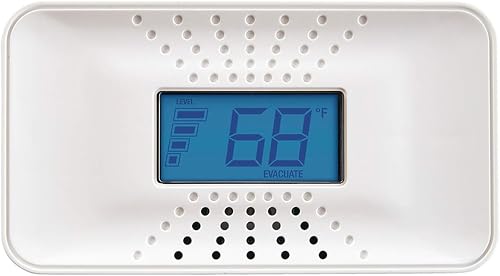
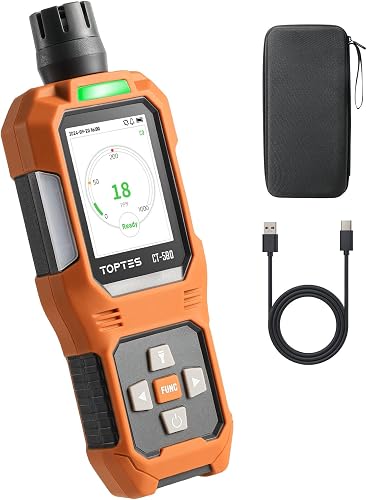
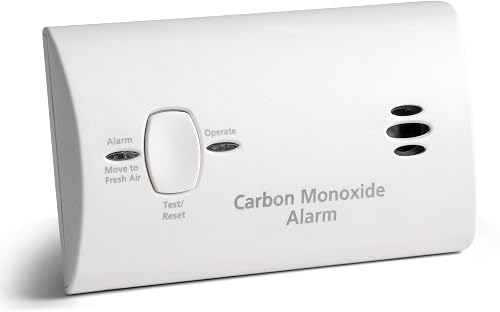
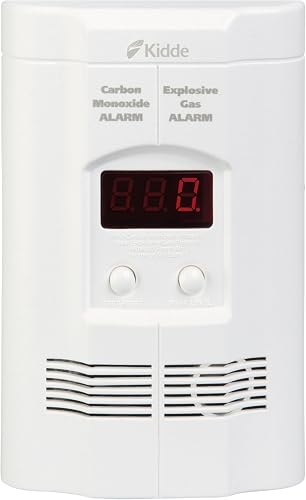
01 · Where it comes from in a truck
An exhaust leak while you idle. APU exhaust pushed back at the cab by the wind. A diesel bunk heater that develops a fault. A cracked manifold you haven't found yet. Every one of these puts exhaust where you sleep, and none of them announce themselves.
02 · ⚠️ The one most drivers never think about — the truck next to you
You can be shut down completely and still take on carbon monoxide from the rigs idling on either side of you at a packed truck stop. Exhaust does not respect your property line, and it finds vents. Your own engine being off is not the same as being safe.
03 · Why this is worse for drivers specifically
Early carbon monoxide symptoms are headache, dizziness, nausea, confusion and fatigue. Read that list again — every one of them is something a driver at the end of a long day writes off as being tired. That is the trap. You feel foggy, you blame the miles, and you go to sleep.
04 · These expire — check the date
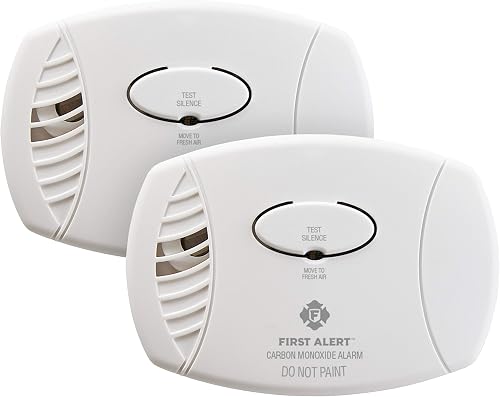
The sensor degrades whether it ever alarms or not, typically over five to ten years depending on the unit. Check the manufacture date on the back and go by what your specific manufacturer states. An expired detector looks and beeps exactly like a working one.
05 · Put it at breathing level, not on the floor
Mount or set it near where your head is when you sleep — that is the air you are actually breathing for ten hours. Keep it away from the exhaust vent of a heater and out from behind curtains or gear that would block airflow to the sensor.
06 · ⚠️ If it goes off, get out first
Fresh air first, diagnose second. Open the door and get out of the cab, then call for help. Do not stay inside trying to work out whether it is a false alarm — that decision has killed people. We picked hardware here; we are not safety inspectors, and a real exposure is a 911 call and a medical evaluation.